Books on Habit Science

A curated collection of the most impactful books on habit formation, behavior change, and personal development. Each book connects to specific methods in HabitDex.

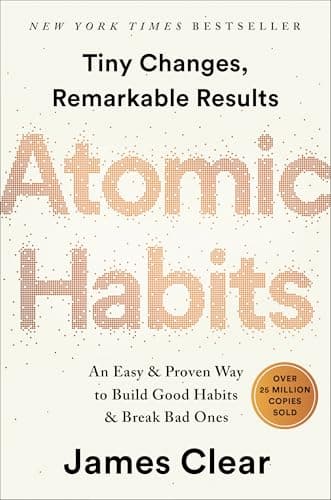
Atomic Habits cover

Atomic Habits

James Clear (2018)

Atomic Habits presents a framework for understanding how small changes compound into remarkable results. Clear demonstrates how habits form through the habit loop: cue, craving, response, and reward. The book teaches practical strategies like habit stacking, identity-based habits, and the two-minute rule to make good habits inevitable and bad habits impossible.
Tiny Habits cover

Tiny Habits

BJ Fogg (2019)

BJ Fogg, a Stanford researcher, presents the Tiny Habits method: a system for behavior change that focuses on making desired behaviors absurdly small and attaching them to existing routines. Instead of overhauling your life, you make tiny changes that compound. Fogg emphasizes the role of motivation and ability in behavior change, arguing that making actions easy is more important than willpower.

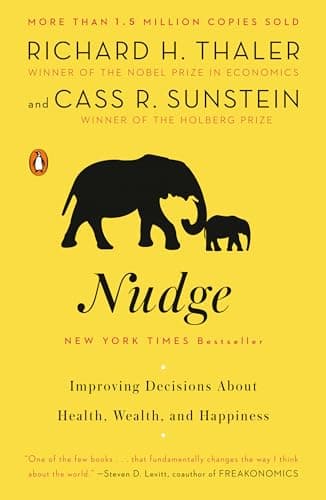
Nudge cover

Nudge

Richard Thaler & Cass Sunstein (2008)

Nudge introduces the concept of choice architecture and how the way options are presented influences our decisions. Thaler and Sunstein show how small changes in the environment can guide people toward better choices without restricting freedom. A nudge is any aspect of the choice architecture that alters people's behavior in a predictable way without forbidding any options.

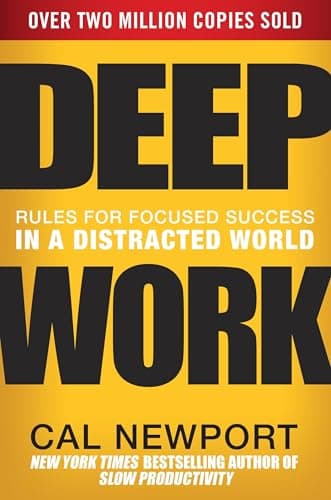
Deep Work cover

Deep Work

Cal Newport (2016)

Newport argues that in a distracted world, the ability to focus deeply on complex tasks is increasingly rare and valuable. Deep work is professional activity performed in a state of uninterrupted concentration. Newport provides practical strategies for cultivating deep work habits, managing shallow work, and redesigning your schedule to protect focus time.
The 5 Second Rule cover

The 5 Second Rule

Mel Robbins (2017)

Mel Robbins introduces a simple but powerful technique: when you feel hesitation, count backwards from five and take action before your mind talks you out of it. The five-second rule interrupts the default mode of procrastination and fear by engaging your prefrontal cortex. This method is particularly useful when motivation is low but the action itself is easy.

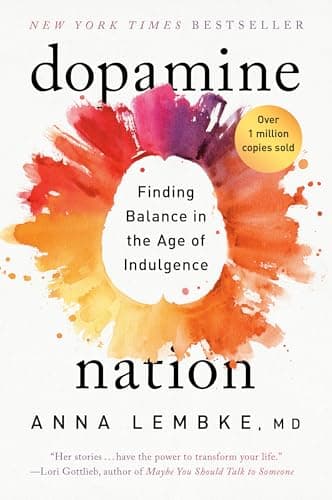
Dopamine Nation cover

Dopamine Nation

Anna Lembke (2021)

Lembke, a neuroscientist and addiction psychiatrist, explores how modern technology hijacks our dopamine system, making us perpetually chasing stimulation. She explains the concept of hedonic adaptation and how constant pleasure-seeking leads to emptiness and addiction. Dopamine Nation provides both the science and practical strategies for resetting your reward system through dopamine fasting.

The Miracle Morning cover

The Miracle Morning

Hal Elrod (2012)

Elrod presents the Miracle Morning formula: a structured morning routine that includes silence, affirmations, visualization, exercise, reading, and scribing. By dedicating the first hour of your day to personal development, you set the tone for success and build momentum. Elrod's method has resonated with millions seeking to take control of their day and their lives.

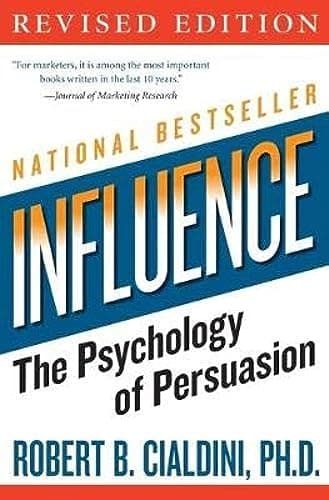
Influence cover

Influence

Robert Cialdini (1984)

Cialdini identifies six universal principles of persuasion: reciprocity, commitment and consistency, social proof, authority, liking, and scarcity. These principles explain why people say yes and how we can use them ethically. The book reveals the psychology behind compliance, showing how these principles operate in everyday situations and how habit change often involves these persuasion mechanisms.

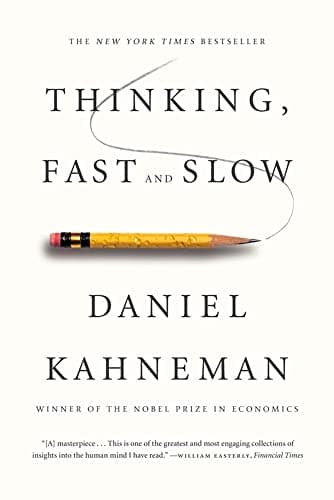
Thinking, Fast and Slow cover

Thinking, Fast and Slow

Daniel Kahneman (2011)

Nobel Prize-winning psychologist Kahneman explores two systems of thinking: System 1 (fast, automatic, intuitive) and System 2 (slow, deliberate, logical). Understanding these systems reveals cognitive biases and how our minds make decisions. Habits operate largely in System 1, which is why changing them requires deliberate effort through System 2.

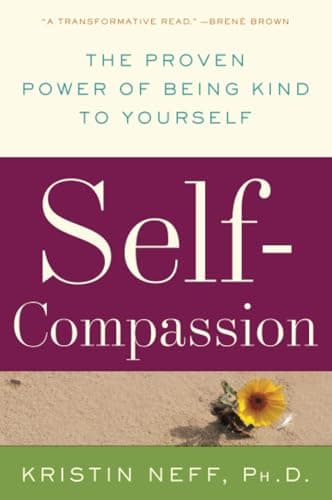
Self-Compassion cover

Self-Compassion

Kristin Neff (2011)

Neff defines self-compassion as treating yourself with the same kindness you'd offer a friend, recognizing suffering as part of the human experience. Research shows that self-compassion, not self-criticism, is the foundation for sustained behavior change. When you fail at a habit, self-compassion helps you recover and try again, while self-criticism triggers shame spirals.

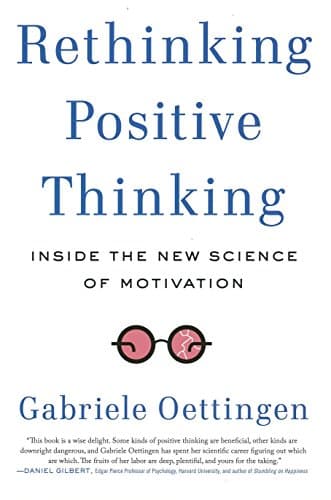
Rethinking Positive Thinking cover

Rethinking Positive Thinking

Gabriele Oettingen (2014)

Oettingen challenges the effectiveness of positive thinking alone. Through research, she shows that pairing positive fantasies with realistic obstacles and implementation intentions dramatically increases success. Her WOOP method (Wish, Outcome, Obstacles, Plan) addresses the gap between motivation and action.

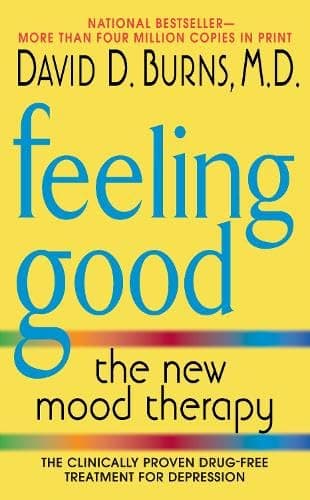
Feeling Good cover

Feeling Good

David D. Burns (1980)

Burns presents cognitive behavioral therapy techniques for overcoming depression and anxiety. The book teaches how to identify distorted thinking patterns, challenge them, and develop more realistic thoughts. These techniques apply directly to habit change, where negative self-talk and distorted thinking often sabotage progress.

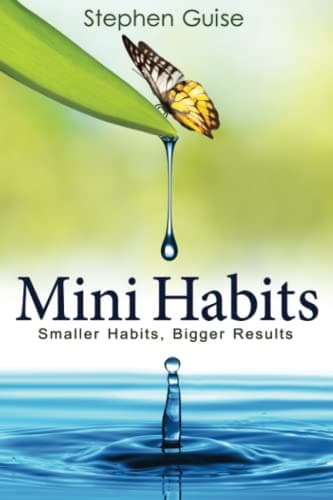
Mini Habits cover

Mini Habits

Stephen Guise (2013)

Guise advocates for elastic habits: making your habit goal so small it's impossible to fail. Instead of aiming for a one-hour workout, commit to just ten push-ups. This removes the motivation requirement and builds the consistency first, then gradually expand. Mini habits acknowledge that momentum and identity change matter more than initial volume.

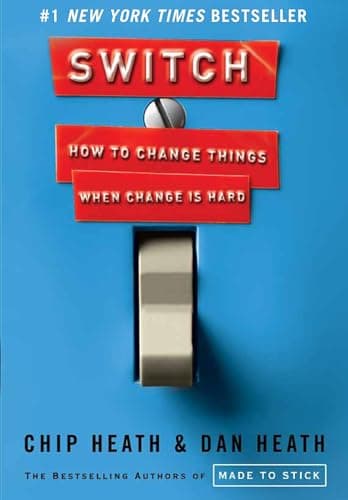
Switch cover

Switch

Chip & Dan Heath (2010)

The Heath brothers present a model for change: directing the Rider (rational mind), motivating the Elephant (emotional mind), and shaping the Path (environment). They argue that most change initiatives fail because they address only one of these elements. Successful habit change requires all three working together.

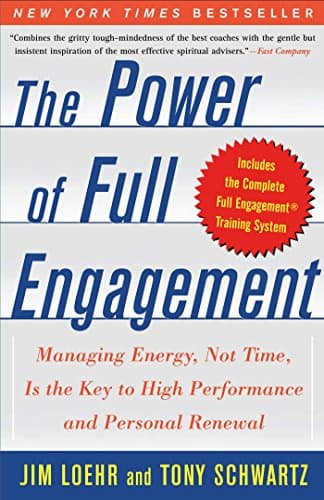
The Power of Full Engagement cover

The Power of Full Engagement

Jim Loehr & Tony Schwartz (2003)

Loehr and Schwartz argue that managing energy, not time, is the key to sustained performance. They introduce the concept of rituals: behaviors so ingrained they require minimal conscious attention. By building energy-management rituals around sleep, nutrition, exercise, and recovery, you create the foundation for high performance.

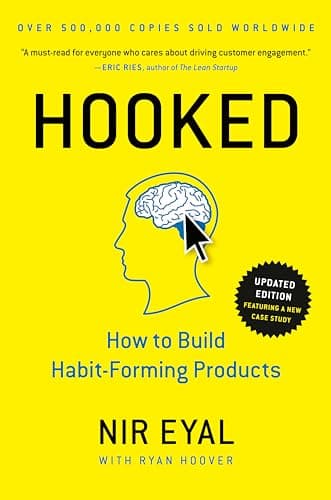
Hooked cover

Hooked

Nir Eyal (2014)

Eyal decodes the Habit Loop used by successful products and apps: trigger, action, reward, investment. He shows how understanding these mechanics helps you recognize when you're being manipulated and how to design better systems. Variable rewards in particular are powerful drivers of habit formation, for better and worse.

Getting Things Done cover

Getting Things Done

David Allen (2001)

Allen's GTD system is a complete life and task management framework. The core principle: capture everything that has your attention, clarify next steps, and organize by context. By externalizing your task list, your mind is free for focused work. The two-minute rule is embedded in the system: anything that takes less than two minutes should be done immediately.

Essentialism cover

Essentialism

Greg McKeown (2014)

McKeown argues that saying no to non-essential commitments is essential for building the habits that matter most. Essentialism is the disciplined pursuit of less but better. By clarifying your core values and goals, you can ruthlessly prioritize which habits deserve your energy.

Make It Stick cover

Make It Stick

Peter C. Brown, Henry L. Roediger III, Mark A. McDaniel (2014)

This book presents research-backed techniques for learning and retention: spaced repetition, interleaving, elaboration, and retrieval practice. While focused on academic learning, these principles apply to any skill habit. The key insight is that effortful retrieval strengthens learning more than re-reading or cramming.

The Pomodoro Technique cover

The Pomodoro Technique

Francesco Cirillo (2018)

Cirillo introduces a deceptively simple time-management method: work in focused 25-minute intervals (pomodoros) with short breaks in between. The technique combines time-boxing with regular breaks to maintain focus and prevent burnout. The rhythm becomes habitual, making deep work easier to initiate.

Peak cover

Peak

K. Anders Ericsson (2016)

Ericsson shares decades of research on expertise development, debunking the 10,000-hour myth and introducing deliberate practice. Expertise requires focused, goal-directed practice with immediate feedback and correction. The type of practice matters far more than the volume.

Tools of Titans cover

Tools of Titans

Tim Ferriss (2017)

Ferriss distills interviews with 200+ elite performers, revealing their habits, routines, and practices. The book is a compendium of techniques from world-class athletes, entrepreneurs, scientists, and artists. While it lacks deep theory, it's packed with practical tactics and habits used by successful people.

The Four Tendencies cover

The Four Tendencies

Gretchen Rubin (2017)

Rubin identifies four personality types based on how people respond to expectations: Obligers, Questioners, Rebels, and Obligers. Understanding your tendency reveals why certain habit strategies work for you and why others fail. Obligers thrive with external accountability, while Questioners need logical reasons, and Rebels resist any pressure.

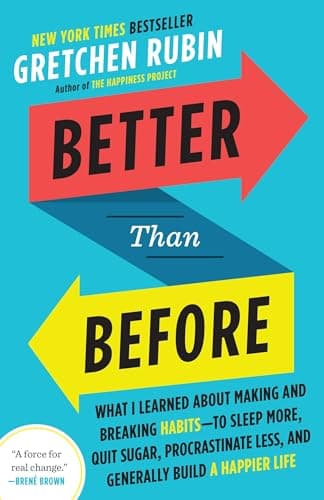
Better Than Before cover

Better Than Before

Gretchen Rubin (2015)

Rubin explores twenty-one strategies for habit formation, organized around themes like simplifying, identity, and monitoring. Each strategy works better for some people than others, so the book helps you identify which approaches align with your personality and circumstances. The strategies include abstinence versus moderation, treating habits as treats, and using visible reminders.
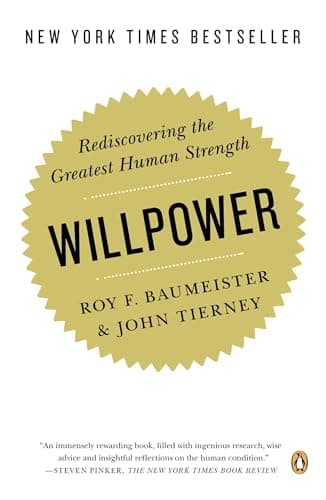
Willpower cover

Willpower

Roy F. Baumeister & John Tierney (2011)

Baumeister, a leading willpower researcher, reveals that willpower is a limited resource that depletes with use, but can be strengthened through practice. The book covers how glucose affects willpower, why self-monitoring is powerful, and how successful people manage their willpower carefully rather than relying on it.

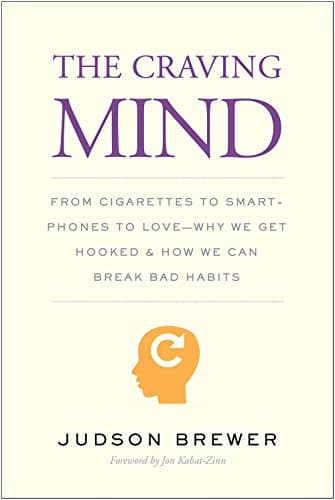
The Craving Mind cover

The Craving Mind

Judson Brewer (2017)

Brewer, a neuroscientist studying addiction, explains how habits form through repeated reward loops and how mindfulness can interrupt cravings. Rather than relying on willpower, he teaches a method of observing cravings with curiosity rather than resistance, which naturally extinguishes them. This approach has shown remarkable results with smoking cessation and applies to all addictive habits.

Man's Search for Meaning cover

Man's Search for Meaning

Viktor Frankl (1946)

Frankl, a Holocaust survivor and psychiatrist, argues that finding meaning is the primary motivator for human behavior. The book shares his experiences and explores how meaning enabled survival even in the darkest circumstances. His logotherapy approach suggests that habits rooted in personal meaning are far more resilient than habits based on external motivation.

Book covers provided by Open Library. All links open on Amazon in a new window.